Global Perspectives: Reimagining the Insurance Experience for a Mobile-First Generation
For younger generations, insurance is not competing against other insurers—it is competing against the best mobile experiences in their lives. Banking, travel, entertainment, shopping, and even...
For younger generations, insurance is not competing against other insurers—it is competing against the best mobile experiences in their lives. Banking, travel, entertainment, shopping, and even healthcare are now instant, intuitive, and embedded directly into everyday digital behavior. Insurance, by contrast, still too often feels slow, fragmented, and designed for a desktop world that no longer exists.
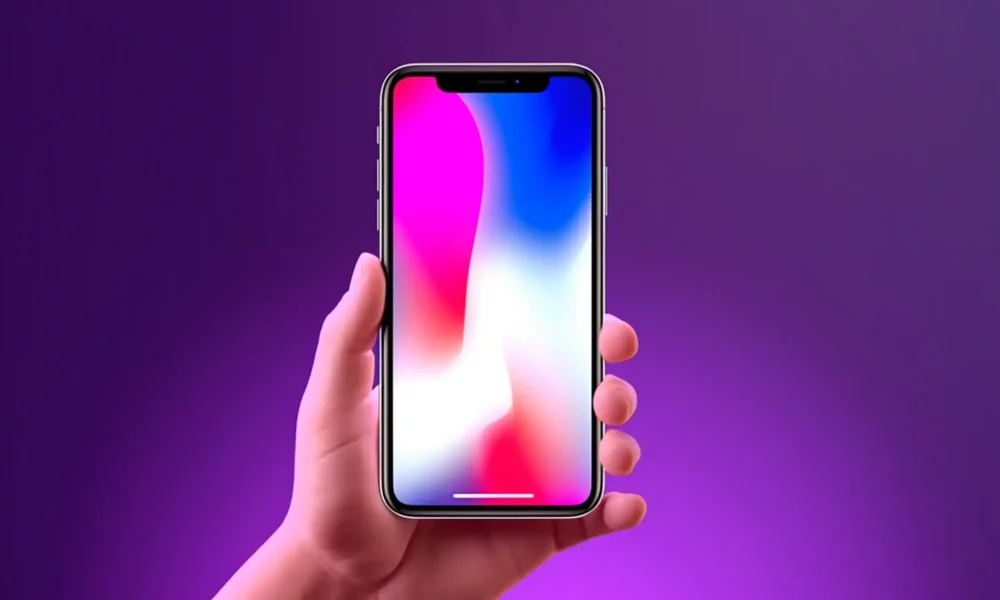
The future of insurance for Gen Z and younger Millennials will be decided on one screen: the smartphone.
Mobile is not a channel—it is the experience
For digital-native consumers, mobile is not an “access point” layered on top of legacy systems. It is the primary interface through which trust is formed or lost. Long forms, PDF-heavy workflows, annual renewals, and opaque pricing clash with expectations shaped by real-time notifications, one-click actions, and radical transparency.
A mobile-first insurance experience must feel:
Immediate: coverage activated in moments, not days
Contextual: products tied to what someone is doing right now
Clear: simple language, visible value, no fine-print gymnastics
If it cannot be understood and acted upon in seconds, it will be ignored.
From ownership to moments that matter
Younger generations are less focused on owning assets and more focused on experiences. This fundamentally reshapes insurance demand. Instead of annual, monolithic policies, the future skews toward event-driven and usage-based protection.
Think coverage for:
A single night out
A weekend trip
A new device purchase
A gig shift or short-term contract
A festival, flight, or rental
Mobile enables insurance to appear exactly when risk appears—embedded into platforms where decisions are already being made.
Embedded trust beats brand recognition
Unlike prior generations, younger consumers are less loyal to traditional financial brands. Trust is increasingly transferred from platforms they already use—payments apps, ride-sharing services, marketplaces, employers, and community platforms.
This makes embedded insurance a powerful distribution and trust mechanism:
Insurance becomes part of a checkout flow, not a separate journey
Claims feel like refunds, not disputes
Value is experienced immediately, not theoretically
In this model, insurance is no longer sold. It is accepted.
Transparency as a default, not a differentiator
Younger users expect to see:
What they are covered for
What triggers a payout
How much they paid—and why
How fast money will arrive if something goes wrong
Mobile interfaces force this clarity. There is no room for ambiguity on a small screen. Insurers that cannot simplify their language and logic will struggle to earn confidence.
This generation does not blindly distrust insurance—but it will not tolerate confusion.
AI quietly reshapes the experience
Behind the scenes, AI enables personalization, real-time pricing, and faster claims. On the front end, however, the experience must remain human, intuitive, and reassuring. Younger customers care less about how decisions are made and more about whether outcomes feel fair and responsive.
The winning formula is invisible intelligence paired with visible empathy:
AI handles speed and scale
Humans remain available for reassurance and exceptions
Mobile interfaces make escalation easy, not adversarial
A global opportunity to reset expectations
Across markets—developed and emerging alike—mobile-first insurance offers a chance to meet younger generations without the baggage of legacy assumptions. In many regions, consumers will encounter insurance for the first time through a smartphone, not an agent or a call center.
That first impression matters.
The insurers that succeed globally will be those that stop trying to “digitize insurance” and instead design insurance natively for mobile life—simple, contextual, transparent, and respectful of the user’s time and attention.
I’m a globally recognized leader in insurance innovation, InsurTech transformation, and operational excellence - with over two decades of cross-border experience spanning North America, Asia, India, and the Middle East.
As the founder of InsurTech360, I help insurance carriers, agencies, MGAs, and brokers reimagine how they operate by uniting people, process, technology, and data into scalable, high-performance systems. My approach blends sales acceleration, lean design, and intelligent automation to deliver measurable growth and sustainable competitive advantage.
Previous Post
Designing the Next-Gen Insurance Experience: Why Creativity, Not Technology, Will Define the Winners
Next Post
The Future of the Insurance Agent: From Intermediary to the Bionic Agent